
Why fly?
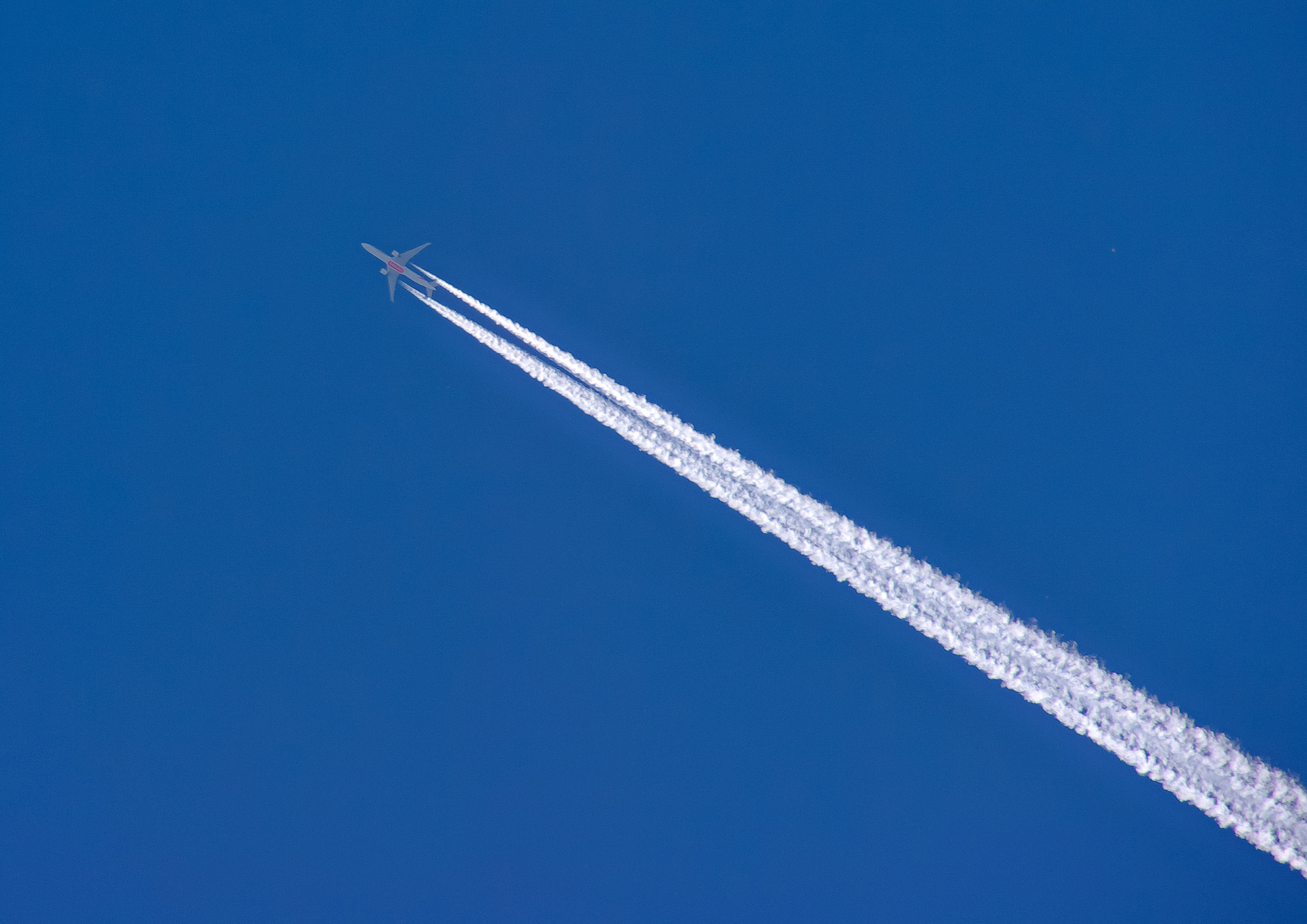
Flying is the most climate-intensive mode of transport.
We want Scottish businesses and public sector organisations to commit to choosing train over plane for UK trips.

THE HIDDEN COSTS OF FLYING
Short flights, long term impact
Aviation is the most carbon-intensive mode of transport.
Short-haul flights (like those between Edinburgh and London) are more emissions-intensive per kilometre because take-off and landing — where most fuel is burned — make up a larger share of the journey compared to longer flights.

Wasted time
Air travel isn’t as fast as it looks. Time is lost to airport transfers, security queues and delays.
Interrupted travel time, limited space, and lack of wi-fi mean fewer opportunities to work or unwind.
Fossil dependency for years to come
Aviation remains hooked on fossil fuels, with alternative ‘sustainable’ aviation fuels still in their infancy — expensive, scarce, and nowhere near ready to clean up the skies.
And as global demand grows, so do the geopolitical risks of fossil fuel dependency.

WHY CHOOSE RAIL?
CUT CARBON
Train journeys produce up to 90% fewer emissions than flights. With 2 in 5 flights from Scotland heading to the UK, there is a significant opportunity to cut climate emissions.
SKIP THE STRESS
Travelling by train means avoiding security queues, baggage waits, delays and transfers. Rail is simpler, smoother, and takes you from city-centre to city-centre.
BOOST PRODUCTIVITY
Trains offer space to work, relax, or think —turning travel time into productive time.
SUPPORT JOBS
Rail creates stable, skilled jobs and connects towns and smaller cities, spreading opportunity beyond major airports and the Central Belt.
At Transform, we have been making the case for rail over air for 20 years.
Case studies
–
Case studies –
Here are some examples of best practice from organisations committed to making business travel more sustainable.
These case studies highlight clear targets, effective policies, and practical steps to reduce emissions — especially by encouraging employees to choose rail over air travel where possible.
They demonstrate how forward-thinking companies are successfully balancing operational needs with climate goals, proving that sustainable travel is achievable and beneficial for both business and the environment.
-
Glasgow Caledonian University is taking a whole-campus approach to reducing travel emissions, with clear targets and policies in place. The University tracks emissions not only from staff business travel, but also from student commuting and travel to and from home at the start and end of term.
GCU’s Climate Conscious Travel & Expenses Policy sets out practical steps to reduce travel-related emissions, including discouraging flights where rail is a viable alternative. This is part of a wider plan to reduce travel emissions to below 13,000 tCO₂e by 2025–26 (at least 9% below 2018–19 levels and 34% below their 2014–15 baseline).
-
The City of Edinburgh Council is taking a clear and consistent approach to reducing emissions from business travel, with a strong emphasis on cutting flights. Under its Council-wide Emissions Reduction Plan, the organisation is committed to achieving net zero for business travel by 2030. One of the core actions is a phased reduction in air travel, supported by annual reporting on travel emissions by mode.
The Council’s travel guidance sets out a simple rule: air travel is not permitted where a direct rail alternative exists. This applies to all staff and elected members.
-
Lloyds is a great example of a business growing whilst reducing their environmental impact. Lloyds Banking Group has committed to cutting emissions from business travel and commuting to less than half of pre-pandemic levels, as part of its wider goal to reach net zero across its own operations by 2030. With travel now one of the largest sources of operational emissions, tackling this area is essential to meeting their climate targets.
Rather than applying a one-size-fits-all travel policy, Lloyds empowers colleagues to make thoughtful choices using the ‘three Ps of sustainable travel’: Purpose, Planet, and Planning. This means travelling only when there is a clear business need, considering the environmental impact, and combining trips to reduce the number of journeys taken.
-
The Scottish Government’s own business travel guidance for staff follows the sustainable transport hierarchy and concludes that ‘air travel has high carbon emissions per journey and should be avoided for travel within the UK, unless travelling to the islands and only when ferry travel is not cost effective’.
Does your organisation have a good story to tell about travelling sustainably?
We’re inviting Scottish businesses to showcase their commitment to fighting climate change by choosing rail over air.
Contact us using the form below to find out more.